Golf Club Fitting Explained: The Truth About Needing One
Do you actually need a golf club fitting, or is it just a sales tactic? We break down what really happens in a fitting session, which variables matter most, and who genuinely benefits from getting fitted versus who can skip it for now.
Walk into any pro shop and you will see rows of clubs that look almost identical from the outside. What you cannot see is the reason two golfers with the same set can get wildly different results from it. The clubs that let one player flush a shot might be actively fighting another. That gap is exactly what a golf club fitting is built to close.
The question most golfers really want answered is simple. Do you actually need one, or is fitting a service invented to sell more expensive gear? Let us settle that honestly.
Quick Answer
A golf club fitting is a session where a trained fitter measures how you swing and matches your clubs to those measurements. They adjust things like shaft length, shaft flex, lie angle, grip size, and clubhead type so the equipment complements your natural motion instead of working against it. Most golfers who play regularly benefit from at least a basic fitting, because clubs that suit your swing are easier to hit consistently.
What Actually Happens in a Golf Club Fitting
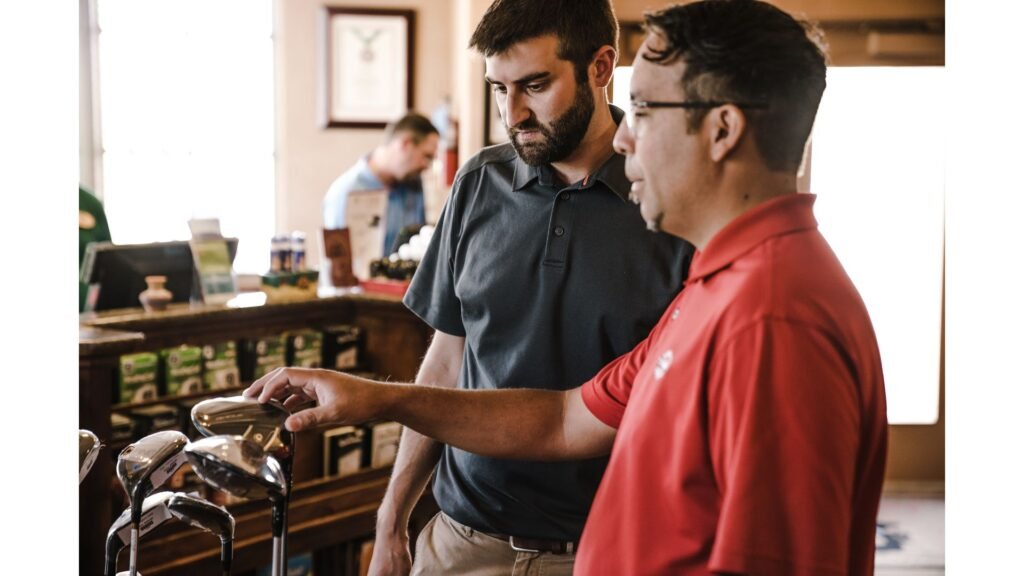
A good fitting is less about selling and more about measuring. The fitter watches your swing, usually with a launch monitor that captures data on ball speed, spin, launch angle, and where the ball starts and finishes.
From there they test small changes. A slightly longer shaft. A softer flex. A different lie angle so the sole of the club sits flat at impact. Each change gets tested against your numbers, and the goal is to find the combination that produces your straightest, most repeatable strike.
The important thing to understand is that a fitting works with the swing you already have. It is not a lesson. If your swing itself is leaking distance or accuracy, that is a separate project, and it is worth reading through the seven common golf swing mistakes before you spend money on gear. Fixing a fault in your motion and then getting fitted, in that order, gives you the best long term result.
The Fitting Variables That Matter Most
You do not need to become an equipment expert, but knowing the main levers helps you understand what a fitter is doing.
Shaft length affects your consistency of contact. Too long and you lose control, too short and you crowd the ball.
Shaft flex controls how the shaft loads and releases through impact. A flex that fights your swing speed sends the ball off line and off launch.
Lie angle decides whether the club sits flat at impact. If the toe or heel is up, the face points off target even when your swing is perfect.
Grip size influences how your hands release the club. A grip that is too thick can quietly kill your ability to square the face, which is one of the most overlooked hidden causes behind a stubborn slice.
Who Really Benefits from a Fitting
Here is the honest breakdown, without the sales pitch.
If you are brand new and still learning to make contact, a full premium fitting is probably premature. Your swing will change a lot in your first stretch of golf, so anything you get fitted for today may not suit you in six months. A basic off the rack set is fine to start.
If you play regularly, have a repeatable swing, and are about to spend real money on new clubs, a fitting is one of the smartest purchases you can make. Buying expensive clubs without a fitting is like buying a tailored suit and never having it tailored.
If your swing is solid but your misses feel random and unexplainable, a fitting can reveal that the equipment, not you, is the problem. Golfers are often shocked to learn a lie angle or shaft was working against them the whole time.
Is a Golf Club Fitting Worth the Money
For a committed recreational golfer, yes, more often than not. The value is not that fitted clubs magically add strokes of talent. The value is that they remove a variable. When your gear fits, a good swing gives you a good result, and your misses become smaller and more predictable. That consistency is what lets you trust your clubs enough to commit to smarter decisions on the course, like playing to the middle of the green as covered in The 90 Percent Rule.
If a full fitting is out of budget, even a basic lie and length check is a meaningful upgrade over nothing.
How to Get the Most Out of a Golf Club Fitting
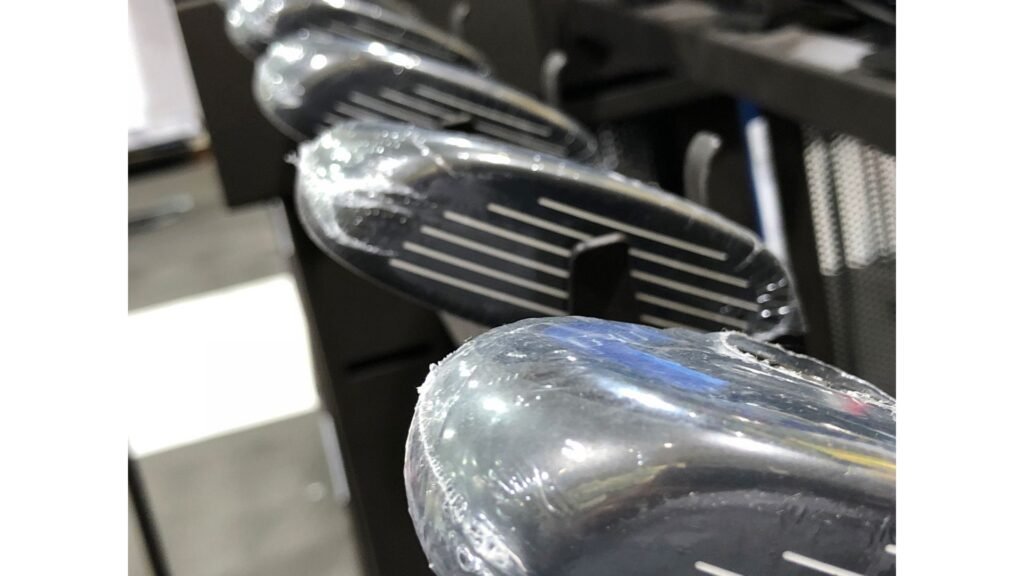
Bring your current clubs so the fitter has a baseline. Warm up first, because a cold, stiff swing gives misleading data. Be honest about how often you play and what you want to improve. And treat the launch monitor numbers as a guide, not gospel. How a club feels and performs on a real course still matters.
So Is a Golf Club Fitting Really Worth It?
A golf club fitting is not a luxury reserved for low handicappers. It is a practical way to make sure your equipment is helping rather than hurting. Fix the big faults in your swing first, then get your gear matched to the motion you actually make. Do those two things in order and you give yourself the cleanest possible path to lower, more consistent scores.
One last piece of advice. New clubs feel great on day one, but feelings fade and memory is unreliable. The only honest way to know whether a fitting actually helped is to track your results over time, and that means carrying an official handicap. If you do not have one yet, read What Is GHIN and start measuring the difference for real.